 English▼



Site Blog
contact us
- If you have questions, please contact us, all questions will be answered
- Email : David@tmaxcn.com
- Email : Davidtmaxcn@gmail.com
- Add : No. 39, Xinchang Road, Xinyang, Haicang Dist., Xiamen, Fujian, China (Mainland)
hot products
Blog
LithiumIon Battery Materials
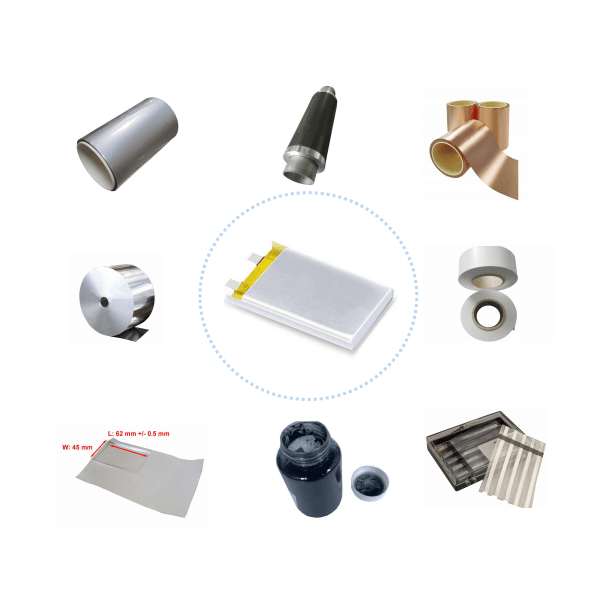
Lithiumion batteries (LIBs) are the cornerstone of modern energy storage technology, powering everything from smartphones and laptops to electric vehicles (EVs) and renewable energy systems. The performance, cost, and sustainability of these batteries depend heavily on the materials used in their construction. In this article, we will explore the key materials that make up lithiumion batteries, their roles, and the latest advancements in battery material research.
●Components of a LithiumIon Battery
A typical lithiumion battery consists of four main components:
1. Cathode (Positive Electrode)
2. Anode (Negative Electrode)
3. Electrolyte
4. Separator
Each component plays a critical role in enabling the reversible movement of lithium ions during charging and discharging.
●1. Cathode Materials
The cathode is responsible for storing lithium ions and releasing them during discharge. Common cathode materials include:
a. Lithium Cobalt Oxide (LiCoO₂ or LCO)
Applications: Consumer electronics (e.g., smartphones, laptops).
Advantages: High energy density and excellent cycling performance.
Disadvantages: Expensive due to cobalt's scarcity; less thermally stable.
b. Lithium Manganese Oxide (LiMn₂O₄ or LMO)
Applications: Power tools, electric vehicles.
Advantages: Low cost, good thermal stability, and safety.
Disadvantages: Lower energy density compared to LCO.
c. Lithium Nickel Manganese Cobalt Oxide (LiNiMnCoO₂ or NMC)
Applications: Electric vehicles, grid storage.
Advantages: Balanced combination of energy density, cost, and safety.
Disadvantages: Still contains cobalt, though efforts are underway to reduce its content.
d. Lithium Iron Phosphate (LiFePO₄ or LFP)
Applications: Electric buses, stationary storage.
Advantages: Excellent safety, long cycle life, and low cost.
Disadvantages: Lower energy density compared to other chemistries.
e. NickelRich NMC (NCA/NMC811)
Applications: Highperformance EVs.
Advantages: High energy density and reduced cobalt content.
Disadvantages: Higher cost and lower thermal stability.
●2. Anode Materials
The anode stores lithium ions during charging. The most common anode material is graphite, but researchers are exploring alternatives for better performance.
a. Graphite
Applications: Most commercial LIBs.
Advantages: Low cost, high capacity, and mature manufacturing processes.
Disadvantages: Limited ability to support fast charging.
b. Silicon
Applications: Emerging in nextgeneration batteries.
Advantages: Much higher theoretical capacity than graphite.
Disadvantages: Volume expansion during cycling leads to structural degradation.
c. TinBased Alloys
Applications: Researchstage applications.
Advantages: Higher capacity than graphite.
Disadvantages: Similar issues with volume expansion as silicon.
d. Metallic Lithium
Applications: Solidstate batteries (future technology).
Advantages: Extremely high energy density.
Disadvantages: Risk of dendrite formation and potential safety hazards.
●3. Electrolyte Materials
The electrolyte facilitates the movement of lithium ions between the cathode and anode. It can be liquid, solid, or gelbased.
a. Liquid Electrolytes
Composition: Typically composed of lithium salts (e.g., LiPF₆) dissolved in organic solvents.
Advantages: Good ionic conductivity and ease of manufacturing.
Disadvantages: Flammable and prone to leakage.
b. SolidState Electrolytes
Materials: Ceramics (e.g., LLZO), sulfides, or polymers.
Advantages: Improved safety, higher energy density, and compatibility with metallic lithium anodes.
Disadvantages: Lower ionic conductivity at room temperature; still under development.
c. Gel Electrolytes
Applications: Hybrid solutions combining liquid and solid electrolytes.
Advantages: Better safety than liquid electrolytes while maintaining high conductivity.
Disadvantages: Complex manufacturing processes.
The separator prevents direct contact between the cathode and anode while allowing lithium ions to pass through.
a. Polymer Separators
Materials: Polyethylene (PE) and polypropylene (PP).
Advantages: Low cost, good mechanical strength, and wide availability.
Disadvantages: Can melt at high temperatures, leading to thermal runaway.
b. CeramicCoated Separators
Applications: Enhanced safety in consumer electronics and EVs.
Advantages: Improved thermal stability and puncture resistance.
Disadvantages: Slightly higher cost.
●Emerging Materials and Technologies
1. HighNickel Cathodes
Reducing cobalt content by increasing nickel concentration improves energy density and lowers costs.
2. SolidState Batteries
Replacing liquid electrolytes with solidstate electrolytes enhances safety and enables the use of metallic lithium anodes.
3. Silicon Anodes
Incorporating silicon into anodes increases capacity and supports faster charging.
4. SodiumIon Batteries
Using sodium instead of lithium offers lower costs and greater abundance of raw materials, though energy density is lower.
5. Recycled Materials
Recycling spent batteries provides sustainable sources of critical materials like lithium, cobalt, and nickel.
●Challenges in LithiumIon Battery Materials
1. Cost and Supply Chain
Rare materials like cobalt and lithium face supply constraints and price volatility.
2. Safety
Flammable liquid electrolytes and thermal runaway risks require advanced safety measures.
3. Environmental Impact
Mining and processing raw materials have significant environmental footprints.
4. Performance Limitations
Balancing energy density, power density, cycle life, and cost remains a challenge.
●Future Trends in LithiumIon Battery Materials
1. Increased Sustainability
Developing ecofriendly materials and recycling technologies to reduce environmental impact.
2. Higher Energy Density
Advancements in cathode and anode materials aim to extend driving ranges for EVs.
3. Improved Safety
Solidstate electrolytes and ceramic separators enhance battery safety.
4. Cost Reduction
Substituting rare materials with abundant alternatives like sodium or iron.
5. Faster Charging
Innovations in anode materials and electrolytes enable shorter charging times.
●Conclusion
The materials used in lithiumion batteries are at the heart of their performance, cost, and sustainability. While traditional materials like graphite and lithium cobalt oxide remain dominant, emerging technologies such as silicon anodes, solidstate electrolytes, and highnickel cathodes promise to revolutionize the industry. As global demand for clean energy grows, ongoing research into advanced materials will play a crucial role in shaping the future of energy storage.
March 27,2026.
Xiamen Tmax Battery Equipments Limited was set up as a manufacturer in 1995, dealing with lithium battery equipments, technology, etc. We have total manufacturing facilities of around 200000 square foot and more than 230 staff. Owning a group of experie-nced engineers and staffs, we can bring you not only reliable products and technology, but also excellent services and real value you will expect and enjoy.
Lithiumion batteries (LIBs) are the cornerstone of modern energy storage technology, powering everything from smartphones and laptops to electric vehicles (EVs) and renewable energy systems. The performance, cost, and sustainability of these batteries depend heavily on the materials used in their construction. In this article, we will explore the key materials that make up lithiumion batteries, their roles, and the latest advancements in battery material research.
●Components of a LithiumIon Battery
A typical lithiumion battery consists of four main components:
1. Cathode (Positive Electrode)
2. Anode (Negative Electrode)
3. Electrolyte
4. Separator
Each component plays a critical role in enabling the reversible movement of lithium ions during charging and discharging.
●1. Cathode Materials
The cathode is responsible for storing lithium ions and releasing them during discharge. Common cathode materials include:
a. Lithium Cobalt Oxide (LiCoO₂ or LCO)
Applications: Consumer electronics (e.g., smartphones, laptops).
Advantages: High energy density and excellent cycling performance.
Disadvantages: Expensive due to cobalt's scarcity; less thermally stable.
b. Lithium Manganese Oxide (LiMn₂O₄ or LMO)
Applications: Power tools, electric vehicles.
Advantages: Low cost, good thermal stability, and safety.
Disadvantages: Lower energy density compared to LCO.
c. Lithium Nickel Manganese Cobalt Oxide (LiNiMnCoO₂ or NMC)
Applications: Electric vehicles, grid storage.
Advantages: Balanced combination of energy density, cost, and safety.
Disadvantages: Still contains cobalt, though efforts are underway to reduce its content.
d. Lithium Iron Phosphate (LiFePO₄ or LFP)
Applications: Electric buses, stationary storage.
Advantages: Excellent safety, long cycle life, and low cost.
Disadvantages: Lower energy density compared to other chemistries.
e. NickelRich NMC (NCA/NMC811)
Applications: Highperformance EVs.
Advantages: High energy density and reduced cobalt content.
Disadvantages: Higher cost and lower thermal stability.
●2. Anode Materials
The anode stores lithium ions during charging. The most common anode material is graphite, but researchers are exploring alternatives for better performance.
a. Graphite
Applications: Most commercial LIBs.
Advantages: Low cost, high capacity, and mature manufacturing processes.
Disadvantages: Limited ability to support fast charging.
b. Silicon
Applications: Emerging in nextgeneration batteries.
Advantages: Much higher theoretical capacity than graphite.
Disadvantages: Volume expansion during cycling leads to structural degradation.
c. TinBased Alloys
Applications: Researchstage applications.
Advantages: Higher capacity than graphite.
Disadvantages: Similar issues with volume expansion as silicon.
d. Metallic Lithium
Applications: Solidstate batteries (future technology).
Advantages: Extremely high energy density.
Disadvantages: Risk of dendrite formation and potential safety hazards.
●3. Electrolyte Materials
The electrolyte facilitates the movement of lithium ions between the cathode and anode. It can be liquid, solid, or gelbased.
a. Liquid Electrolytes
Composition: Typically composed of lithium salts (e.g., LiPF₆) dissolved in organic solvents.
Advantages: Good ionic conductivity and ease of manufacturing.
Disadvantages: Flammable and prone to leakage.
b. SolidState Electrolytes
Materials: Ceramics (e.g., LLZO), sulfides, or polymers.
Advantages: Improved safety, higher energy density, and compatibility with metallic lithium anodes.
Disadvantages: Lower ionic conductivity at room temperature; still under development.
c. Gel Electrolytes
Applications: Hybrid solutions combining liquid and solid electrolytes.
Advantages: Better safety than liquid electrolytes while maintaining high conductivity.
Disadvantages: Complex manufacturing processes.
The separator prevents direct contact between the cathode and anode while allowing lithium ions to pass through.
a. Polymer Separators
Materials: Polyethylene (PE) and polypropylene (PP).
Advantages: Low cost, good mechanical strength, and wide availability.
Disadvantages: Can melt at high temperatures, leading to thermal runaway.
b. CeramicCoated Separators
Applications: Enhanced safety in consumer electronics and EVs.
Advantages: Improved thermal stability and puncture resistance.
Disadvantages: Slightly higher cost.
●Emerging Materials and Technologies
1. HighNickel Cathodes
Reducing cobalt content by increasing nickel concentration improves energy density and lowers costs.
2. SolidState Batteries
Replacing liquid electrolytes with solidstate electrolytes enhances safety and enables the use of metallic lithium anodes.
3. Silicon Anodes
Incorporating silicon into anodes increases capacity and supports faster charging.
4. SodiumIon Batteries
Using sodium instead of lithium offers lower costs and greater abundance of raw materials, though energy density is lower.
5. Recycled Materials
Recycling spent batteries provides sustainable sources of critical materials like lithium, cobalt, and nickel.
●Challenges in LithiumIon Battery Materials
1. Cost and Supply Chain
Rare materials like cobalt and lithium face supply constraints and price volatility.
2. Safety
Flammable liquid electrolytes and thermal runaway risks require advanced safety measures.
3. Environmental Impact
Mining and processing raw materials have significant environmental footprints.
4. Performance Limitations
Balancing energy density, power density, cycle life, and cost remains a challenge.
●Future Trends in LithiumIon Battery Materials
1. Increased Sustainability
Developing ecofriendly materials and recycling technologies to reduce environmental impact.
2. Higher Energy Density
Advancements in cathode and anode materials aim to extend driving ranges for EVs.
3. Improved Safety
Solidstate electrolytes and ceramic separators enhance battery safety.
4. Cost Reduction
Substituting rare materials with abundant alternatives like sodium or iron.
5. Faster Charging
Innovations in anode materials and electrolytes enable shorter charging times.
●Conclusion
The materials used in lithiumion batteries are at the heart of their performance, cost, and sustainability. While traditional materials like graphite and lithium cobalt oxide remain dominant, emerging technologies such as silicon anodes, solidstate electrolytes, and highnickel cathodes promise to revolutionize the industry. As global demand for clean energy grows, ongoing research into advanced materials will play a crucial role in shaping the future of energy storage.
What excites you most about the future of lithiumion battery materials? Share your thoughts below! Together, let’s explore how these innovations can drive the transition to a more sustainable and efficient energy landscape.
 +86 13174506016
 David@tmaxcn.com

