 English▼



Site Blog
contact us
- If you have questions, please contact us, all questions will be answered
- Email : David@tmaxcn.com
- Email : Davidtmaxcn@gmail.com
- Add : No. 39, Xinchang Road, Xinyang, Haicang Dist., Xiamen, Fujian, China (Mainland)
hot products
Blog
Small Hydraulic Press
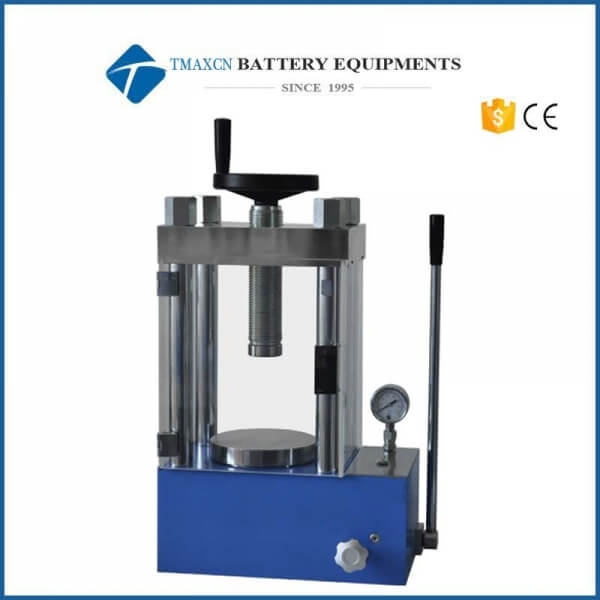
A small hydraulic press is a compact machine designed to apply high force using hydraulic power. It is widely used in workshops, repair shops, laboratories, and smallscale manufacturing environments for tasks such as forming, pressing, punching, bending, and assembly. Its versatility, ease of use, and ability to deliver consistent force make it an essential tool for various industries.
In this article, we will explore the principles, types, applications, advantages, challenges, and innovations associated with small hydraulic presses.
●Principles of Operation
1. Hydraulic Power
A small hydraulic press uses Pascal's principle, where applying force to one part of a confined fluid generates equal pressure throughout the system.
The hydraulic fluid transfers force from the input (manual lever or motor) to the output ram, amplifying the force significantly.
2. Key Components
Pump: Generates hydraulic pressure by moving fluid through the system.
Cylinder: Houses the piston that converts hydraulic pressure into mechanical force.
Ram: The moving component that applies force to the workpiece.
Frame: Provides structural support and houses the components.
Controls: Manual levers, foot pedals, or electronic systems for operating the press.
●Types of Small Hydraulic Presses
1. Manual Hydraulic Press
Operated by hand or foot, ideal for lowforce applications and situations where electricity is unavailable.
Simple design and costeffective.
2. Electric Hydraulic Press
Powered by an electric motor, providing higher force and automation capabilities.
Suitable for repetitive or heavyduty tasks.
3. CFrame Press
Compact and open on three sides, allowing easy access to the work area.
Commonly used for light assembly, maintenance, and repair tasks.
4. Column Press
Features vertical columns for stability and precision, making it suitable for medium to heavyduty applications.
5. Benchtop Press
Designed to mount on a workbench, ideal for small workshops and laboratory settings.
Lightweight and portable.
6. Portable Hydraulic Press
Compact and selfcontained, often batterypowered for onsite use.
Used in field repairs and mobile operations.
●Advantages of Small Hydraulic Presses
1. High Force Output
Delivers significant force relative to its size, enabling efficient material processing.
2. Precision Control
Allows finetuned adjustments for accurate results, reducing waste and improving quality.
3. Compact Design
Spacesaving and easy to integrate into small workspaces.
4. Versatility
Capable of performing multiple tasks, including pressing, punching, forming, and assembly.
5. Durability
Built with robust materials to withstand heavy use over time.
6. CostEffectiveness
Lower initial investment compared to large industrial presses.
7. Safety Features
Equipped with overload protection, emergency stops, and other safety mechanisms.
●Challenges in Using Small Hydraulic Presses
1. Limited Capacity
Smaller presses may not handle extremely high forces or large workpieces.
2. Maintenance Requirements
Regular checks and servicing are necessary to ensure proper operation and prevent leaks.
3. Noise and Vibration
Operation can generate noise and vibrations, which may require soundproofing or isolation measures.
4. Skill Dependency
Proper training is needed to operate the press safely and effectively.
Small hydraulic presses are used across various industries for diverse applications:
1. Automotive
Bearing removal and installation, brake caliper repair, and suspension assembly.
2. Metalworking
Punching, bending, and forming metal parts for fabrication and prototyping.
3. Electronics
Component assembly, PCB pressing, and connector insertion.
4. Plastics
Molding and shaping plastic components.
5. Repair and Maintenance
Pin and bushing replacement, gear pressing, and shaft alignment.
6. Research and Development
Testing new materials, processes, and prototypes in laboratory settings.
7. Agriculture
Implement repair, tool sharpening, and equipment assembly.
●Innovations in Small Hydraulic Press Technology
To address challenges and enhance performance, manufacturers are developing advanced small hydraulic press solutions:
1. Smart Controls
Incorporating digital displays and programmable settings for precise force adjustment.
2. EcoFriendly Designs
Reducing energy consumption and minimizing hydraulic fluid waste.
3. Wireless Connectivity
Enabling remote monitoring and data logging for improved efficiency.
4. Customizable Configurations
Offering tailored designs for specific applications and materials.
5. Lightweight Materials
Using advanced alloys and composites to reduce weight without sacrificing strength.
●The Future of Small Hydraulic Presses
As manufacturing demands evolve, so too will the technology behind small hydraulic presses. Key trends shaping the future include:
1. Increased Precision
Development of ultrafine control systems for micromanufacturing and nanotechnology.
2. Focus on Sustainability
Energyefficient designs and ecofriendly materials to minimize environmental impact.
3. Integration with Emerging Technologies
Combining small hydraulic presses with AI, IoT, and robotics for smarter diagnostics and automation.
4. Global Standards Compliance
Ensuring compatibility with evolving international regulations for machinery safety and performance.
5. Expansion into New Markets
Adapting small hydraulic presses for emerging fields like biotechnology, aerospace, and renewable energy.
●Conclusion
Small hydraulic presses are indispensable tools for precision work, offering versatility, reliability, and costeffectiveness for a wide range of applications. Their continuous evolution ensures they remain relevant in modern manufacturing and repair environments.
March 6,2026.
Xiamen Tmax Battery Equipments Limited was set up as a manufacturer in 1995, dealing with lithium battery equipments, technology, etc. We have total manufacturing facilities of around 200000 square foot and more than 230 staff. Owning a group of experie-nced engineers and staffs, we can bring you not only reliable products and technology, but also excellent services and real value you will expect and enjoy.
A small hydraulic press is a compact machine designed to apply high force using hydraulic power. It is widely used in workshops, repair shops, laboratories, and smallscale manufacturing environments for tasks such as forming, pressing, punching, bending, and assembly. Its versatility, ease of use, and ability to deliver consistent force make it an essential tool for various industries.
In this article, we will explore the principles, types, applications, advantages, challenges, and innovations associated with small hydraulic presses.
●Principles of Operation
1. Hydraulic Power
A small hydraulic press uses Pascal's principle, where applying force to one part of a confined fluid generates equal pressure throughout the system.
The hydraulic fluid transfers force from the input (manual lever or motor) to the output ram, amplifying the force significantly.
2. Key Components
Pump: Generates hydraulic pressure by moving fluid through the system.
Cylinder: Houses the piston that converts hydraulic pressure into mechanical force.
Ram: The moving component that applies force to the workpiece.
Frame: Provides structural support and houses the components.
Controls: Manual levers, foot pedals, or electronic systems for operating the press.
●Types of Small Hydraulic Presses
1. Manual Hydraulic Press
Operated by hand or foot, ideal for lowforce applications and situations where electricity is unavailable.
Simple design and costeffective.
2. Electric Hydraulic Press
Powered by an electric motor, providing higher force and automation capabilities.
Suitable for repetitive or heavyduty tasks.
3. CFrame Press
Compact and open on three sides, allowing easy access to the work area.
Commonly used for light assembly, maintenance, and repair tasks.
4. Column Press
Features vertical columns for stability and precision, making it suitable for medium to heavyduty applications.
5. Benchtop Press
Designed to mount on a workbench, ideal for small workshops and laboratory settings.
Lightweight and portable.
6. Portable Hydraulic Press
Compact and selfcontained, often batterypowered for onsite use.
Used in field repairs and mobile operations.
●Advantages of Small Hydraulic Presses
1. High Force Output
Delivers significant force relative to its size, enabling efficient material processing.
2. Precision Control
Allows finetuned adjustments for accurate results, reducing waste and improving quality.
3. Compact Design
Spacesaving and easy to integrate into small workspaces.
4. Versatility
Capable of performing multiple tasks, including pressing, punching, forming, and assembly.
5. Durability
Built with robust materials to withstand heavy use over time.
6. CostEffectiveness
Lower initial investment compared to large industrial presses.
7. Safety Features
Equipped with overload protection, emergency stops, and other safety mechanisms.
●Challenges in Using Small Hydraulic Presses
1. Limited Capacity
Smaller presses may not handle extremely high forces or large workpieces.
2. Maintenance Requirements
Regular checks and servicing are necessary to ensure proper operation and prevent leaks.
3. Noise and Vibration
Operation can generate noise and vibrations, which may require soundproofing or isolation measures.
4. Skill Dependency
Proper training is needed to operate the press safely and effectively.
Small hydraulic presses are used across various industries for diverse applications:
1. Automotive
Bearing removal and installation, brake caliper repair, and suspension assembly.
2. Metalworking
Punching, bending, and forming metal parts for fabrication and prototyping.
3. Electronics
Component assembly, PCB pressing, and connector insertion.
4. Plastics
Molding and shaping plastic components.
5. Repair and Maintenance
Pin and bushing replacement, gear pressing, and shaft alignment.
6. Research and Development
Testing new materials, processes, and prototypes in laboratory settings.
7. Agriculture
Implement repair, tool sharpening, and equipment assembly.
●Innovations in Small Hydraulic Press Technology
To address challenges and enhance performance, manufacturers are developing advanced small hydraulic press solutions:
1. Smart Controls
Incorporating digital displays and programmable settings for precise force adjustment.
2. EcoFriendly Designs
Reducing energy consumption and minimizing hydraulic fluid waste.
3. Wireless Connectivity
Enabling remote monitoring and data logging for improved efficiency.
4. Customizable Configurations
Offering tailored designs for specific applications and materials.
5. Lightweight Materials
Using advanced alloys and composites to reduce weight without sacrificing strength.
●The Future of Small Hydraulic Presses
As manufacturing demands evolve, so too will the technology behind small hydraulic presses. Key trends shaping the future include:
1. Increased Precision
Development of ultrafine control systems for micromanufacturing and nanotechnology.
2. Focus on Sustainability
Energyefficient designs and ecofriendly materials to minimize environmental impact.
3. Integration with Emerging Technologies
Combining small hydraulic presses with AI, IoT, and robotics for smarter diagnostics and automation.
4. Global Standards Compliance
Ensuring compatibility with evolving international regulations for machinery safety and performance.
5. Expansion into New Markets
Adapting small hydraulic presses for emerging fields like biotechnology, aerospace, and renewable energy.
●Conclusion
Small hydraulic presses are indispensable tools for precision work, offering versatility, reliability, and costeffectiveness for a wide range of applications. Their continuous evolution ensures they remain relevant in modern manufacturing and repair environments.
What excites you most about the advancements in small hydraulic press technology? Share your thoughts below! Together, let’s explore how these innovative machines can shape the future of material processing and product development.
 +86 13174506016
 David@tmaxcn.com

